Rules and Responsibility
Landlord or Tenant: Who Pays for Aircon Servicing?
How the tenancy agreement decides who pays for aircon servicing and faults in a Singapore rental, and which records to keep.
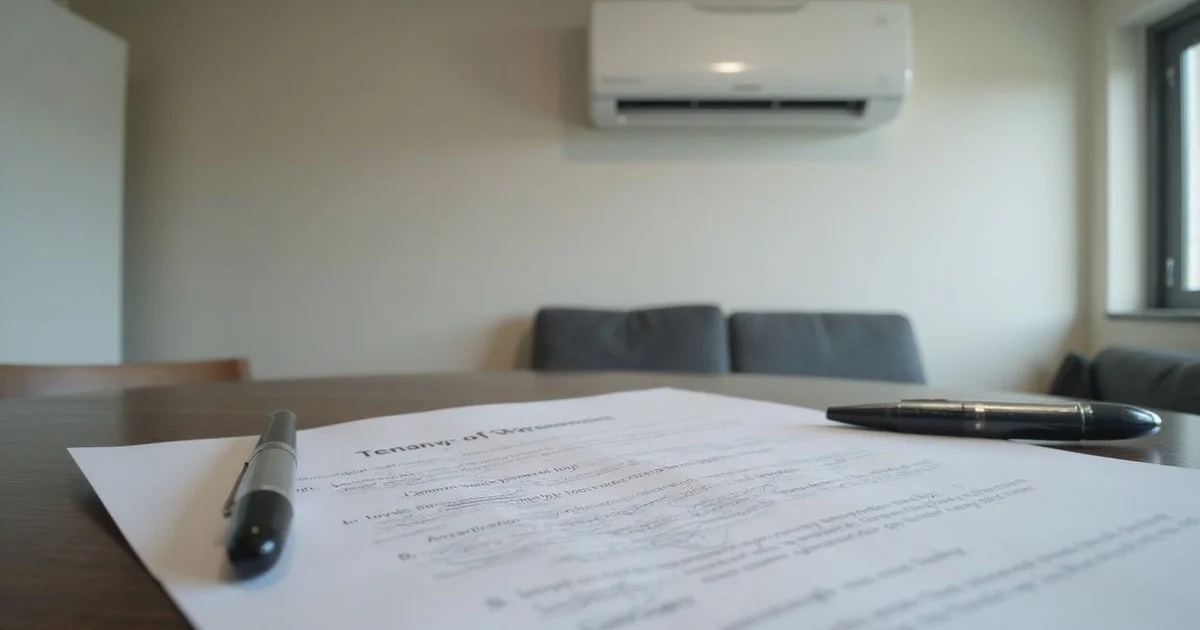
The agreement decides
The answer to “who pays for aircon servicing” in a Singapore rental sits in your tenancy agreement. No single rule covers every rental. Most agreements have an aircon clause that says who arranges servicing, how often, and who pays for repairs.
At SG Aircon Handbook, we see the same pattern again and again. A common setup is quarterly servicing paid by the tenant, plus a cap on minor repairs. Property Q&A threads on PropertyGuru often mention a cap of around S$150 to S$250 per repair, with the landlord covering anything above it. Your wording may differ, so read your own clause before you assume anything.
This guide covers how these clauses usually work and which records protect both sides. It doesn’t interpret any particular agreement. For a dispute, get qualified advice.
Three kinds of aircon cost
Sort your costs into three groups, because agreements often treat each one differently:
- Routine servicing. Regular cleaning visits to keep the units working. Many agreements ask the tenant to arrange and pay for these, often every 3 months.
- Repairs from damage or neglect. A fault caused by misuse, or by servicing not being done, may fall on whoever was responsible for the care.
- Fair wear and tear. Parts wear out with normal use over time. Agreements often treat major repairs or part failures from age differently from routine servicing.
Where your agreement draws these lines is the key question. Look for words like “servicing”, “maintenance”, “repair”, “fair wear and tear” and any amount or limit mentioned.
The third group is where the money gets serious. A compressor replacement can start from around S$800, according to Singapore property advice sites. That is why many tenants who kept quarterly receipts argue that an age-related failure is the landlord’s cost.
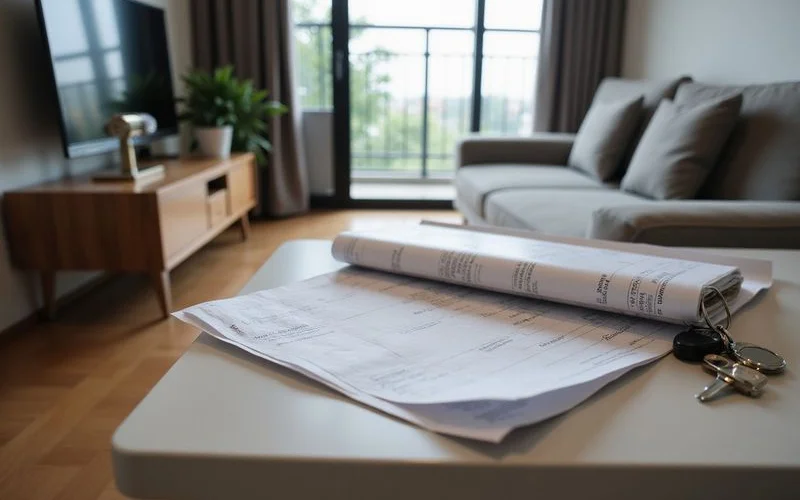
Records settle most arguments
A dated receipt that lists every unit serviced is the simplest proof that routine servicing was done.
What tenants can do
Tenants protect themselves best by keeping proof at every stage. Here’s what we’d do at each point:
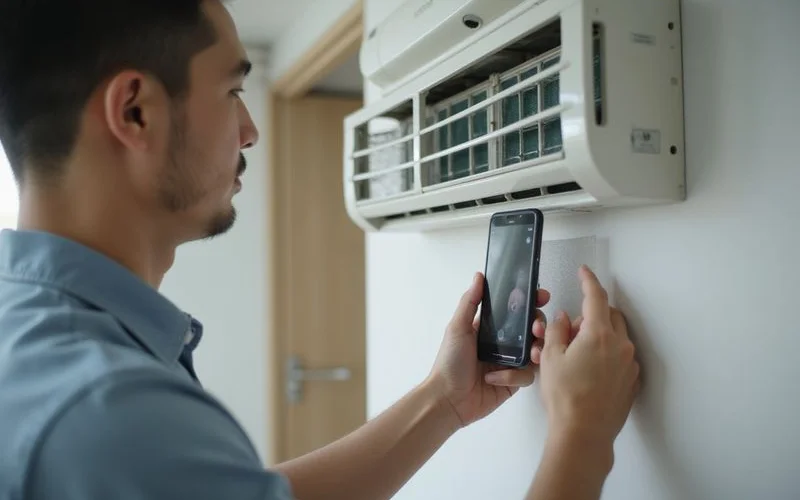
- At move-in, photograph each aircon unit, switch it on, and note whether it cools and drains properly. Ask the landlord for the last service date.
- During the tenancy, book servicing as the agreement requires and keep every receipt. Clean the filters between visits. See how to clean aircon filters.
- When something goes wrong, tell the landlord or agent in writing, with photos, before booking any repair that the agreement says is the landlord’s.
- At move-out, have the receipts ready and photograph the units again.
Receipts matter more than most tenants expect. One landlord on PropertyGuru described a two-year tenancy where the tenant claimed to have serviced the units but could not produce a single invoice. Don’t let that be you.
What landlords can do
Landlords avoid most disputes by setting things up clearly before the tenancy starts:
- Service the units before a new tenancy starts and give the tenant the report.
- Make the servicing clause clear: who books, how often, and what counts as a repair.
- Keep your own copy of all service records for each tenancy.
- Agree access arrangements for visits in advance.
Some landlords take a yearly servicing contract to keep visits on schedule and records in one place. The servicing contracts for landlords guide explains how that works, and the Maintenance Contracts section covers what contracts usually include. A contract does not change who pays under the tenancy agreement.
Faults during a tenancy
When a unit fails, the cause usually decides who pays. Three questions help you work it out:
| Question | Why it matters |
|---|---|
| What does the agreement say about repairs? | It is the starting point for both sides |
| Was routine servicing done as required? | Missing servicing can shift the cost |
| Is the fault from normal ageing? | Fair wear and tear is often treated separately |
A technician’s report that names the cause is useful here. A clogged drain after a year with no servicing reads differently from a fan motor failing in an old unit.
Ask the technician to write the cause on the invoice or send it by message. Both sides can then point to the same document if the cost is questioned later.
Who to confirm with
This guide is general information and not legal advice. The tenancy agreement you signed is what applies. If you and the other party disagree, talk it through with the agent first, then seek qualified advice.
If talks stall, the Small Claims Tribunal handles residential tenancy disputes of up to two years’ tenancy, with a standard claim limit of S$20,000. Your servicing receipts, photos and written messages will be your main evidence there.
For questions about leaks into other homes, see the water leaks between floors guide. Before your next visit, check your clause and book the service that it requires.
Questions readers ask
Does the tenant have to service the aircon?
Only if the tenancy agreement says so. Many agreements ask the tenant to arrange regular servicing, but the wording varies. Read the clause in your own agreement.
Who pays if the aircon breaks?
It depends on the agreement and on whether the problem is routine servicing, a repair caused by misuse, or fair wear and tear. Check the clause and keep records. For a dispute, seek qualified advice.
What proof should a tenant keep?
Dated service receipts that list the units serviced, plus photos of the units at move-in and move-out.
More rules and responsibility guides
-
Aircon Servicing in HDB Flats, Condos and Landed Homes: What Changes
How home type changes aircon servicing in Singapore: multi-split systems, condo work hours, ledge access and who to contact.
-
Water Leaks Between Floors: Who Is Responsible in HDB Flats and Condos
Who pays when aircon water reaches the flat below? HDB and condo rules explained separately, with who to confirm them with.
-
Who to Contact About an Aircon Problem: HDB, Town Council, MCST or an Aircon Company
Route each aircon problem to the right party: your aircon company, a neighbour, HDB, your Town Council, your MCST or a qualified person.
Keep reading
Rules differ for HDB flats, condos and landed homes. Browse every guide by section, or start from the problem you have.