Guide section / Problems Servicing Can Fix
Aircon Gas Top Up: Why It Is Not Routine
How refrigerant works, why a top up is not routine, what R22, R410A and R32 mean.
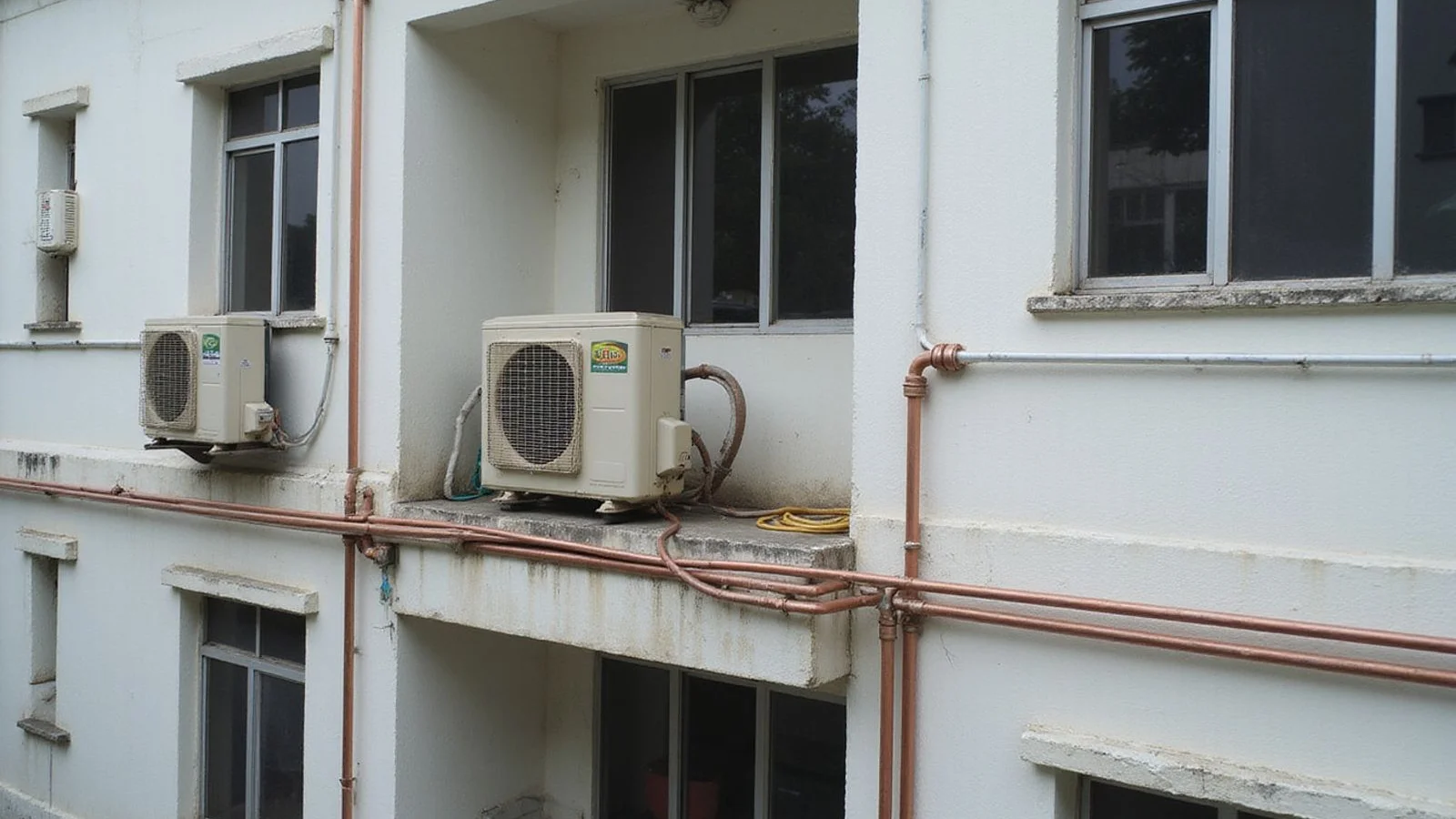
How refrigerant works
The “gas” in your aircon is refrigerant. It runs in a loop through copper piping between the indoor and outdoor units. Indoors, it pulls heat out of the room air at the evaporator coil. Outdoors, the compressor pushes it through the condenser, where the heat is released. Then it flows back and the loop starts again.
Here’s the part most people miss: the loop is sealed. Refrigerant isn’t used up like petrol in a car. A unit that was installed properly and has no leak should hold the same charge for years.
Why a top up is not routine
A sealed system that runs low has lost refrigerant somewhere. A top up puts the gas back, but it doesn’t stop the leak. If nobody finds and fixes the leak, the cooling fades again and you pay for another top up.
That’s why we say a gas top up should never be a standard line on a servicing visit. If a technician tells you your unit needs gas, it’s fair to ask:
- How was low refrigerant confirmed?
- Where might the leak be?
- Will the leak be found and fixed, or is this a top up only?
Our guide, does my aircon really need a gas top up?, covers the symptoms that look like low gas but actually come from a dirty coil or filter. The Hiring an Aircon Servicing Company section shows you how to ask for evidence without starting an argument.
R22, R410A and R32
Most homes in Singapore run one of three refrigerants:
- R22. Found in older units. Many of these have been running for a long time.
- R410A. Common in units from the next generation. Its global warming potential (GWP) is about 1,924.
- R32. Used in most new household units. Its GWP is about 677.
NEA stopped the supply of household aircon units that use refrigerants with a GWP above 750 from 1 October 2022. R32 sits below that limit, so new units use it. NEA also created a Climate-friendly Label for these lower-GWP models, which is handy to spot when you shop for a new unit.
Older R22 and R410A units already in homes keep running. The refrigerant type does change what a top up costs, though. Check the label on your outdoor unit if you’re not sure which one you have.
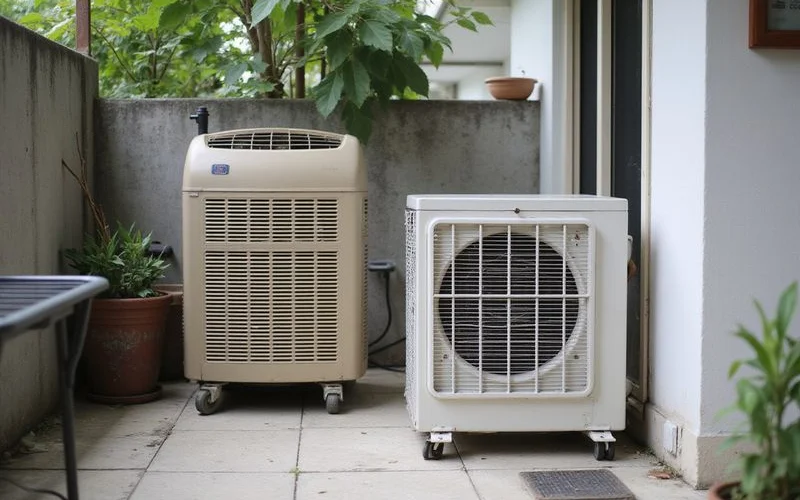
Signs that point to a leak
- Cooling gets weaker over weeks, even with clean filters.
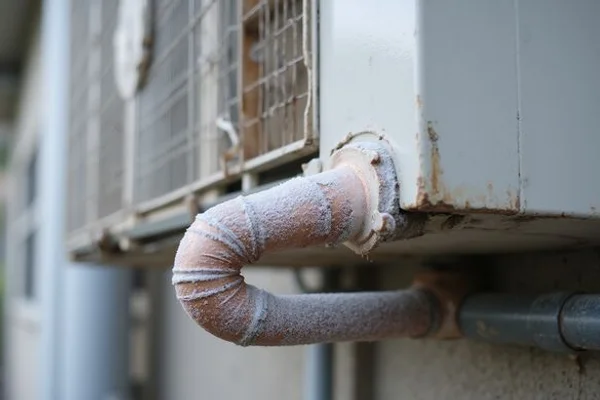
- Ice forms on the copper pipe. See ice on the aircon copper pipe.
- A persistent hissing sound near the unit or pipes. See aircon hissing sound.
- The unit needed a top up before and has dropped off again.
None of these proves a leak on its own. Ice can also come from blocked airflow, and some hissing is normal pressure noise. Only a technician can check properly.
Please don’t touch the pipes or fittings, and never handle refrigerant yourself. This matters even more if you’re a landlord with a tenant in the unit, since a botched fix can leave you with a bigger bill.
Top up or repair?
If your unit runs low every few months, a top up alone is only a short-term fix. Finding and repairing the leak usually starts with a troubleshooting fee and a separate repair quote.
A good rule of thumb: if a unit needs gas again within a year or two, treat it as a leak, not a top up job. Our gas top up vs leak repair guide compares the two side by side.
What a top up costs
Prices depend on the refrigerant type. The published top up prices we cite, read on 16 November 2026 and before 9% GST, are:
| Refrigerant | Top up price (before GST) |
|---|---|
| R22 | $50 to $80 |
| R410A | $60 to $150 |
| R32 | $80 to $200 |
A top up price doesn’t include finding or fixing a leak. The gas top up price guide in the Aircon Servicing Cost section explains each range, so you know what’s fair before you book an aircon gas top up.
Refrigerant types and published top up prices
- R22 (older units)
- $50 to $80
- R410A
- $60 to $150
- R32 (most new units)
- $80 to $200
What to Look For: Signs and Parts in Photos
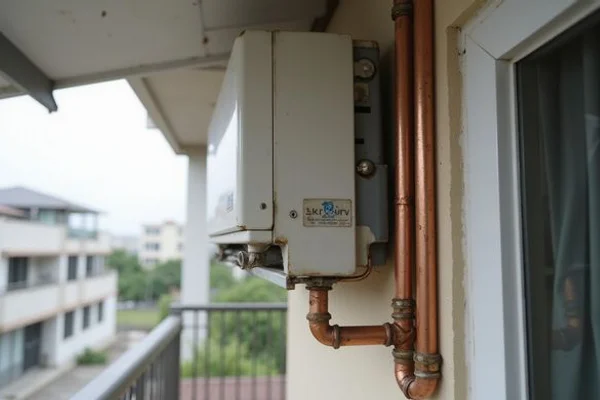
Illustrative photos of the parts and signs this section talks about. They are not job records.
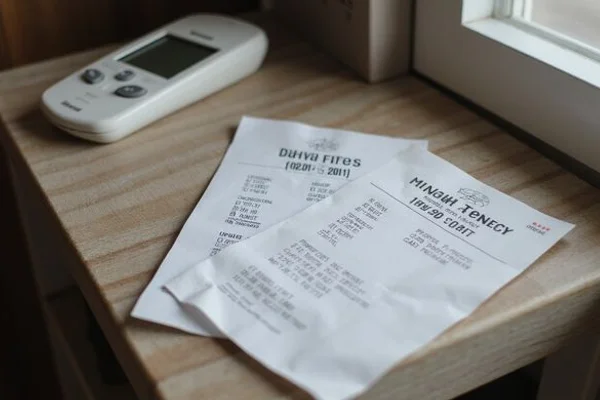
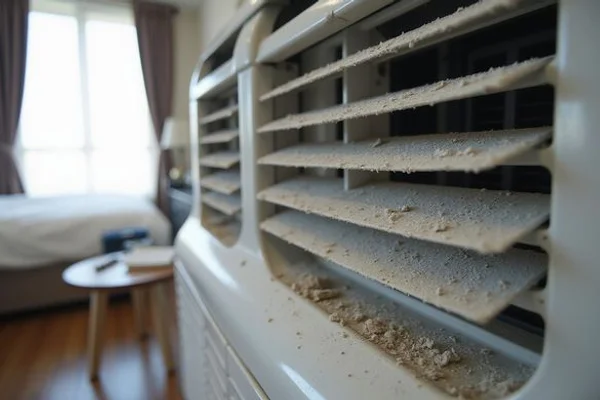
Safe Checks to Do Before You Book Anyone
Switch the unit off before touching anything. Never open electrical parts or handle refrigerant.
- 01 Find the rating label on the indoor or outdoor unit and note the refrigerant type. Take a photo from a safe spot; never climb out.
- 02 Clean the air filters. Clogged filters can cause weak cooling and even ice on pipes.
- 03 From inside the home, check that the outdoor unit fan is turning and nothing blocks it.
- 04 If you see ice, switch the unit off and let it thaw. Do not chip at the ice.
- 05 Keep receipts for any past top ups, with dates.
When a Service Is Not Enough: Call a Technician
Refrigerant work is for qualified technicians only. Call when:
- Cooling is weak even with clean filters and a running outdoor unit.
- You see ice on the copper pipes, or hear a persistent hiss.
- You have needed a top up before and the cooling has dropped again.
- You want to know whether a leak can be found and repaired rather than topped up again.
Gas Top Up: questions readers ask
Does my aircon need a regular gas top up?
No. Refrigerant runs in a sealed system and should not run low unless there is a leak. If a technician says the gas is low, ask how it was confirmed and whether the leak will be found. Never handle refrigerant yourself.
How much is an aircon gas top up?
Billy Aircon's published gas top up prices, read on 16 November 2026 and before 9% GST, are $50 to $80 for R22, $60 to $150 for R410A and $80 to $200 for R32. A top up does not include finding or fixing a leak.
Why do new aircon units use R32?
NEA stopped the supply of household aircon units that use refrigerants with a global warming potential above 750 from late 2022. R32 is below that limit, so new household units use it.
How do I know which refrigerant my unit uses?
Check the rating label on the unit. It names the refrigerant type. Older units often use R22 or R410A.
Why does my aircon keep needing gas?
There is likely a leak. Refrigerant runs in a sealed system and does not get used up, so repeated loss means it is escaping somewhere.
All Guides in This Section
Each guide covers one problem or one decision.
- Aircon Hissing Sound: Gas Leak or Something Else? Normal pressure sounds vs a persistent hiss, signs that point to a refrigerant leak, and why not to touch pipes or fittings. Read the guide
- Does My Aircon Really Need a Gas Top Up? Is low gas the real cause? Low-gas symptoms vs a dirty coil or filter, and what to ask the technician. Never handle refrigerant. Read the guide
- Ice on the Aircon Copper Pipe: Causes and What to Do Why ice forms on an aircon copper pipe (low gas, blocked airflow, dirty coil), why to switch off and let it thaw, and when to call. Read the guide
- Gas Top Up vs Leak Repair: Why Aircon Gas Keeps Running Low Why repeat gas top ups point to a leak, and how a top up only compares with finding and fixing the leak, with dated fees. Read the guide
Related guide sections
Problems Servicing Can Fix
Common Aircon Faults
Weak cooling, water leaks, smells, weak airflow and noise, and which of them a service fixes.
Open section
Costs and Hiring
Aircon Servicing Cost
What servicing, chemical cleaning and gas top up cost, how per-unit pricing works and what GST and surcharges add.
Open section
Costs and Hiring
Hiring an Aircon Servicing Company
What to ask before booking, how to read a quote, warranty terms and warning signs of upselling.
Open section