How Often to Service
How Often Does an Aircon Need a Chemical Wash?
How often deep cleaning is needed compared with general servicing, based on usage and build-up signs rather than a fixed interval.
Signs, not a calendar
How often should you chemical wash an aircon? Go by the signs, not a fixed date. Many Singapore servicing companies suggest every 12 to 18 months, but build-up doesn’t follow a calendar.
Two units in the same home can need very different care. One runs all night in a bedroom near a busy road, while the other runs a few evenings a week in a study. For general schedules, see the Servicing Frequency section.
Our rule is simple: keep up regular general servicing, and add a chemical wash when the signs say the unit needs one. That also answers whether a yearly chemical wash is necessary. For a lightly used unit with clean checks, it often isn’t.
The signs a wash is due
One or more of the signs below means a chemical wash is worth booking. If none apply, a general service is usually enough.
| Sign | What it suggests |
|---|---|
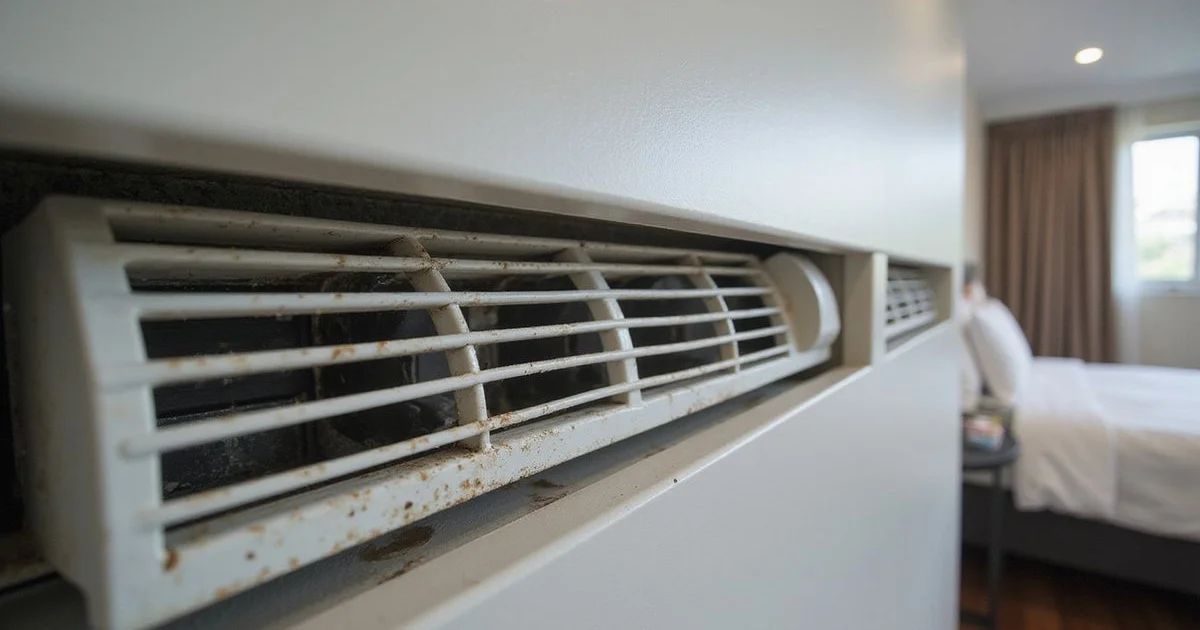
| Musty smell returns within weeks of a general service | Mould deeper in the coil or blower |
| Coil furred with dust, seen behind the front cover | Build-up beyond brushing and vacuuming |
| Black spots on the blower wheel by torchlight | Mould on the blower blades |
| Weak airflow even with clean filters | Blower or coil clogged |
| Long gap since any servicing | Heavy build-up likely |
The smell is the one we hear about most. If it comes back within a few weeks of a general service, the source is usually past what brushing and rinsing can reach.
Factors that bring the signs on sooner
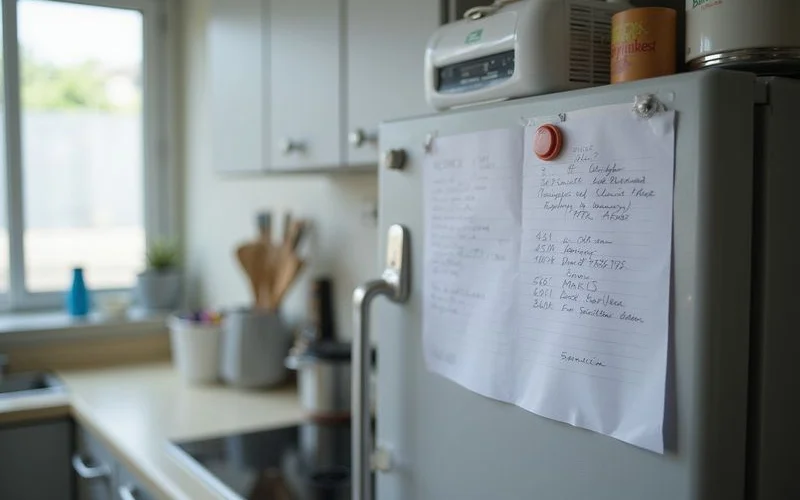
Heavy running hours and dusty surroundings bring the signs on sooner. Some companies suggest a chemical wash every six to nine months for heavy home use, though that is a rule of thumb, not a fixed requirement.
- Run hours. Units on all night, every night, pass far more air and stay damp longer. Singapore’s humidity often sits between 70% and 90%, so a coil rarely dries out. See aircon running all night.
- Dust. Homes near busy roads, construction or with pets.
- Filter care. Dirty filters let more dust reach the coil and blower.
- Servicing gaps. Long gaps between general services let build-up settle in.
Keep a simple log
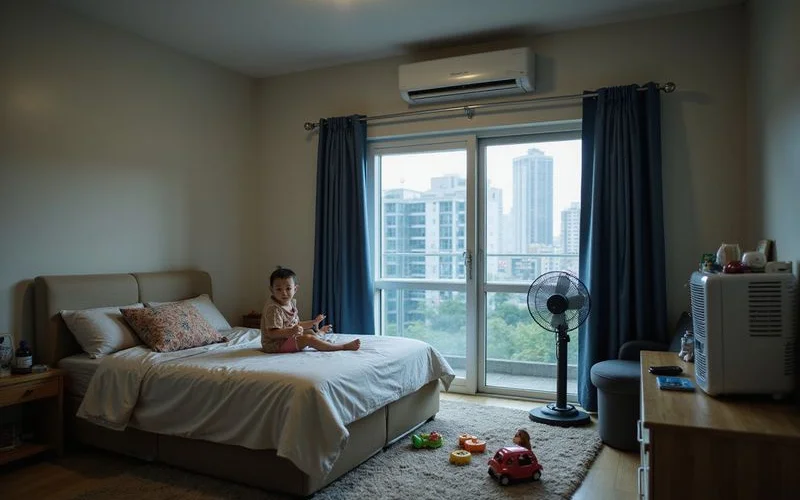
Yes, a log helps, and it takes a minute. A note on the fridge or in your phone is enough.
For each unit, record the date of each service and what the technician said about build-up. If the technician finds heavy build-up at every visit, ask whether a chemical wash would help. If the coil and blower are fairly clean each time, you probably don’t need one.
This matters most if you have a multi-split system or rent out several units. Each indoor unit ages differently, so one log per unit shows which ones need the extra work.
Wash or overhaul?
An overhaul is the next step if a chemical wash hasn’t cleared a smell, or if the blower is heavily coated. It dismantles the unit to reach every part. See chemical wash vs chemical overhaul.
On the published list we cite, read on 16 November 2026 and before GST, a chemical wash is $80 to $100 per unit and an overhaul $130 to $180. Check that the quote states which one you’re getting before work starts.
When to call a technician
Book a chemical wash when one or more of the signs above appears, ideally after a general service has not cleared it. That is our short answer to when to chemical wash an aircon.
The general servicing vs chemical wash guide has a short decision checklist. Ask the technician to show you the build-up before and after, so you can see what you paid for.
Questions readers ask
Is a yearly chemical wash needed?
Not by default. Go by signs of build-up rather than the calendar. Many units do well on general servicing alone for long periods.
What signs say a wash is due?
A smell that returns soon after servicing, a clogged coil, black spots on the blower wheel, or a long gap since the last service.
Does heavy use change it?
Yes. Units that run every night collect dust and mould faster, so the signs of build-up tend to appear sooner.
More guides in Servicing Frequency
-
Aircon Not Serviced for Over a Year: What to Do First
First steps for a long-neglected aircon: likely build-up, safe checks, and whether servicing or a chemical wash comes first.
-
Aircon Running All Night: Does It Need Servicing More Often?
How long overnight run hours speed dust, mould and drain build-up, how to adjust your servicing schedule, and filter care between visits.
-
When Should a New Aircon Get Its First Service?
Why new aircon units still collect dust, when to book the first service by usage, filter care from day one and installer warranty terms.
Back to the section
How often to service by usage, home type and unit age.
Learn more about Servicing Frequency